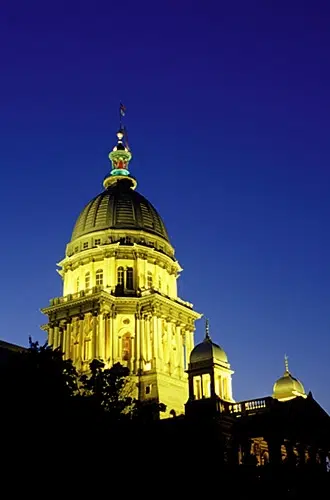
The Illinois General Assembly approved a $55.9 billion spending plan for the next fiscal year at 4:13 a.m. on June 1st, sending the more than 3,700-page document to Governor JB Pritzker for his signature. It’s a record alright… and it comes with a price tag that Illinois taxpayers will likely be footing for years to come.
To pay for it all, lawmakers approved more than $800 million in new taxes. The biggest single hit is a $300 million corporate tax increase tied to caps on ‘net operating loss deductions.’ This provision was supposed to phase out but is now seemingly being made more permanent. On top of that, social media companies will face new fees of up to 50 cents per Illinois user per month, which lawmakers project will generate $200 million. Cryptocurrency transactions will be taxed starting January 1st, 2027, expected to bring in another $60 million. Fantasy sports contest operators are facing a new 15% tax. And perhaps most controversial, a new digital advertising tax targeting companies with more than $1 million in digital ad services in Illinois, could generate anywhere from $200 million to more than $800 million supposedly. The validity of such a proposal has our lawmakers themselves expecting legal challenges before it’s truly even in place.
Beyond the new taxes, the budget also pulls $185 million from various state funds to help balance the budget further. Included in this cut is $150 million swept from the Road Fund, money that was supposed to go toward transportation spending. Lawmakers did pause a scheduled Motor Fuels Tax increase, which they said would save taxpayers $37.5 million over the year. Critics however point out that the $150 million Road Fund sweep more than wipes out those potential savings.
And while all of this was happening, lawmakers also quietly gave themselves a raise. Base pay for Illinois legislators jumped from $98,304 to $101,405, pushing them above $100,000 for what is technically a part-time job.
There are a few bright spots buried in the fine print. The Local Government Distributive Fund, which Pritzker had proposed cutting, was left aloneat this time, sparing local communities from even more budget pressure. Property Tax Pool Relief grants for schools were also restored after being eliminated last year, expected to save property taxpayers around $47 million.
But the bigger picture remains troubling to fiscal watchdogs. Illinois’ pension debt now stands at $143.5 billion, and the state’s total pension contributions in this budget will reach nearly $12 billion. It’s believed that’s still more than $5 billion short of what is actually needed to make a dent in that debt. Under Governor Pritzker, Illinois’ budget has grown by $16 billion and seen at least 57 tax increases that have cumulatively cost taxpayers more than $77 billion. This budget proposal is a far cry from fixing Illinois’ current financial state.







Comments